
Attending RICTA – 9th Iberian Meeting on Aerosol Science and Technology
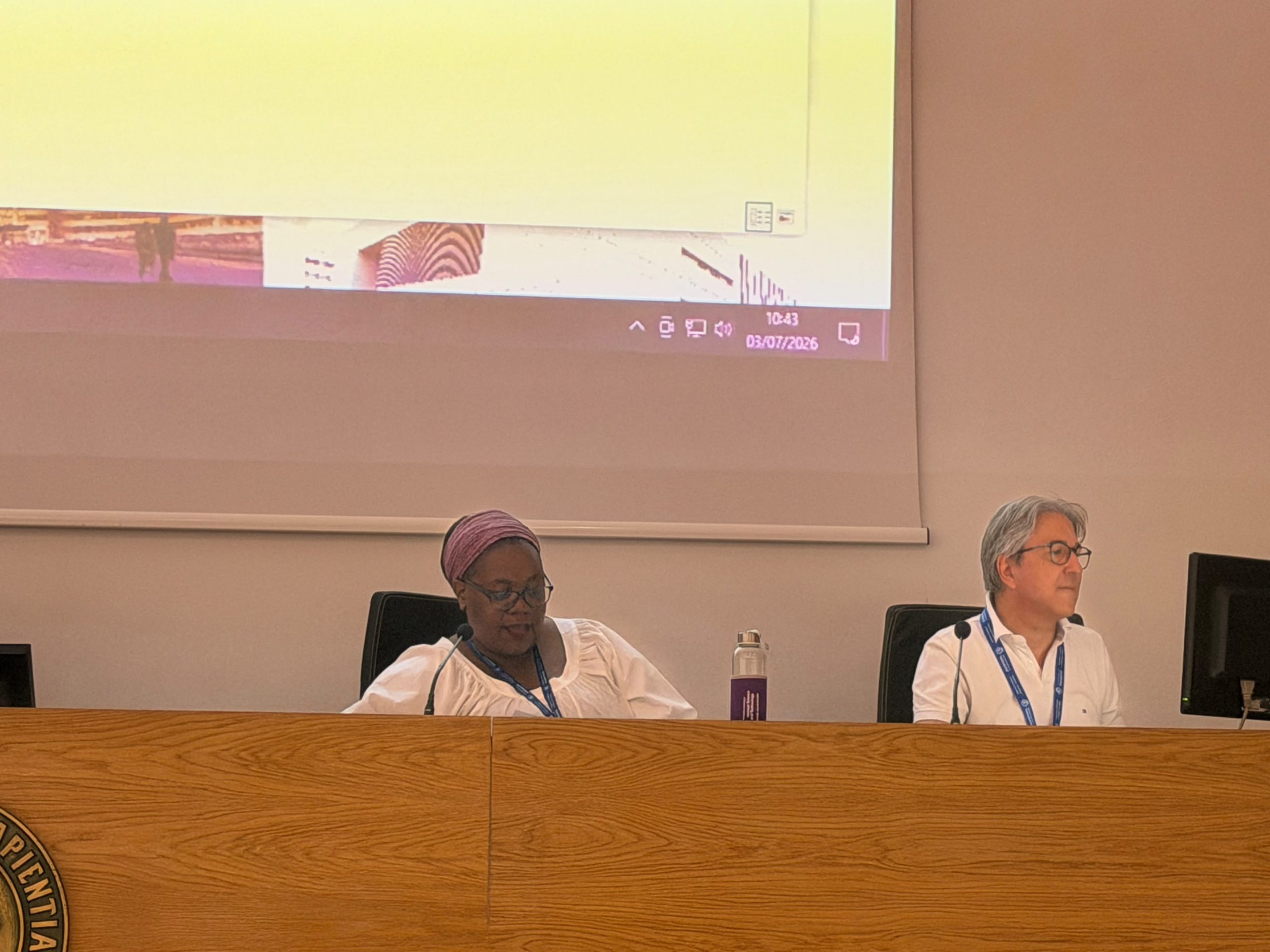
The researcher Netsai Vanessa Sadza, member of the Nubolosyti Project, has attended the 9th Iberian Meeting on Aerosol Science and Technology (RICTA, 2026), that has taken place the July 1st-3rd at the University of Valladolid (Spain). Netsai Vanessa has leaded and presented a Multi-Sensor Assessment of the Cloud-Aerosol Transition Zone using Longwave and Shortwave Surface Irradiances. Yolanda Sola, of the Universitat de Barcelona, and J. Calbó and J.A. González, of the Universitat de Girona, are co-authors of the study. Netsai Vanessa Sadza has also co-chaired the RICTA session devoted to Advanced Remote Sensing of Aerosols and Trace Gases.
Cloud-Aerosol Transition Zone: longwave radiative effect based on CERES observations
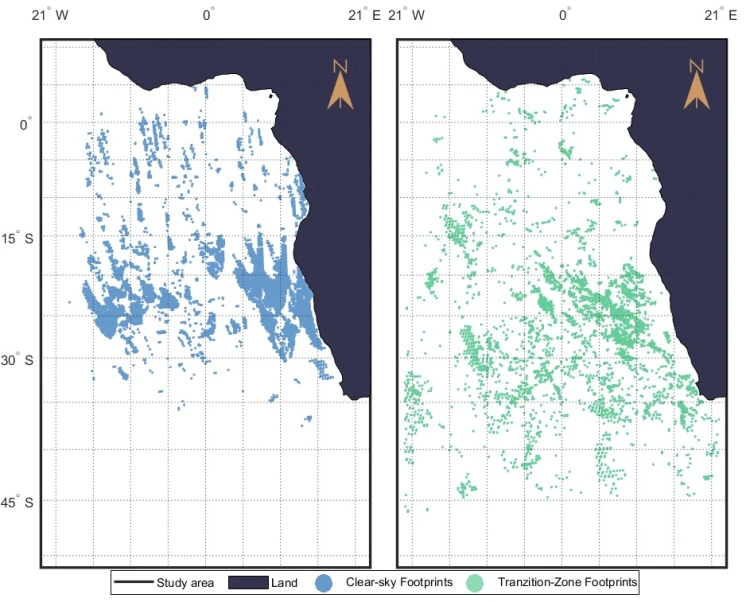
By Babak Jahani, Hendrik Andersen, Josep Calbó, Josep-Abel González and Jan Cermak. Publication: https://doi.org/10.5194/acp-22-1483-2022 The study presents an approach for quantification of cloud-aerosol transition zone broadband longwave radiative effects at the top of the atmosphere (TOA) during daytime over the ocean, based on satellite observations and radiative transfer simulation. The authors used several products from MODIS (Moderate Resolution Imaging Spectroradiometer) and CERES (Clouds and the Earth’s Radiant Energy System) sensors for the identification and selection of CERES footprints with horizontally homogeneous transition zone and clear-sky conditions. For the selected transition zone footprints, radiative effect was calculated as the difference between [...]
The researcher Netsai Vanessa Sadza, member of the Nubolosyti Project, has attended the 9th Iberian Meeting on [...]
By Babak Jahani, Hendrik Andersen, Josep Calbó, Josep-Abel González and Jan Cermak. Publication: https://doi.org/10.5194/acp-22-1483-2022 The study presents [...]